 October 20, 2020 10:07 am
Published by Janet Muncy
October 20, 2020 10:07 am
Published by Janet Muncy
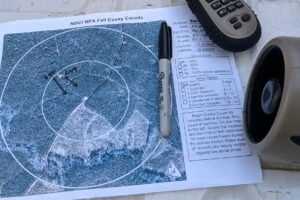
By Scott Bachman, Senior Area Forester, Blackwater Region In the pre-dawn hours, Venus and Mars were the brightest objects in the dark sky, save for the crescent moon that, as the old timers might say, was holding water. The occasional satellite could be seen in its telltale unblinking arc streaking across the inky blackness of space. Suddenly, a shooting star blazed west to east before fading out. Stephen Jasenak and I were... Read More
 October 13, 2020 3:08 pm
Published by Janet Muncy
October 13, 2020 3:08 pm
Published by Janet Muncy
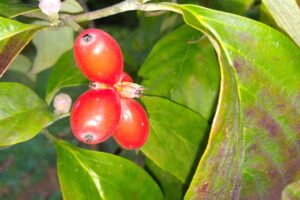
By Ellen Powell, DOF Conservation Education Coordinator With the autumn foliage season getting underway, it’s easy to miss a key feature of Virginia’s fall landscape: fruits. First, a disclaimer: Don’t eat wild fruits unless you can identify them positively and know they are safe. Many can be eaten by wildlife but are toxic or even deadly to humans. In wildlife circles, fleshy or squishy fruit eaten by critters is known... Read More
 October 6, 2020 12:22 pm
Published by Janet Muncy
October 6, 2020 12:22 pm
Published by Janet Muncy
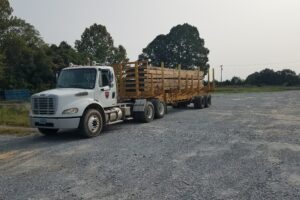
By Chris Thomsen, DOF Western Regional Forester Loggers in the Lower Cowpasture River Watershed now have two sets of portable bridges available for their use, thanks to the Virginia Department of Forestry (DOF) and funding provided by a U. S. Forest Service Joint Chiefs Grant. This federal grant funds the Lower Cowpasture Restoration and Management Project and covers 117,500 acres of public and private lands in Alleghany, Bath, and Rockbridge... Read More
 October 2, 2020 11:35 am
Published by Janet Muncy
October 2, 2020 11:35 am
Published by Janet Muncy
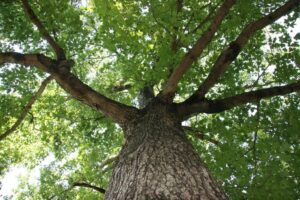
By Ellen Powell, DOF Conservation Education Coordinator There’s an old saying that you plant an oak tree for your grandchildren. There’s some truth to that, as oaks are not the fastest growing trees. But along the way to maturity, they provide benefits to us and to the environment. Shade? Check. Beauty? Check. Acorns for hungry wildlife? Check. Oaks do grow acorns, but just as importantly, oaks grow caterpillars. More than... Read More
 September 18, 2020 11:37 am
Published by Janet Muncy
September 18, 2020 11:37 am
Published by Janet Muncy
By Ellen Powell, DOF Conservation Education Coordinator For a plant with ‘weed’ in its title, milkweed is a pretty awesome plant. It contains toxins called cardiac glyphosides, which deter feeding by most insects and mammals. Despite this trait, a milkweed plant is a little universe unto itself. In fact, one study documented more than 450 species of insects visiting milkweed in a single midwestern field. You probably already know about... Read More
