 August 31, 2020 4:44 pm
Published by Janet Muncy
August 31, 2020 4:44 pm
Published by Janet Muncy
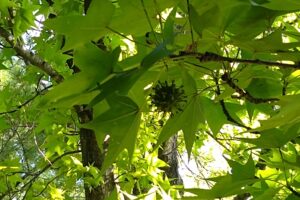
By Ellen Powell, DOF Conservation Education Coordinator When you think of summer hitchhikers, you probably think of chiggers and ticks. Ick! But did you know that beggar-ticks and harvest lice might also grab a ride on your clothes? Don’t worry, these don’t carry diseases or make you itch. They are the harmless seeds of some of our native plants. Seeds that cling are adapted to travel to new locations... Read More
 August 20, 2020 11:14 am
Published by Janet Muncy
August 20, 2020 11:14 am
Published by Janet Muncy
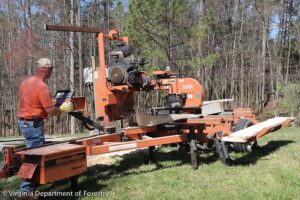
By Joe Lehnen, Forest Utilization & Marketing Specialist Until about two years ago, the fate of trees removed from the urban forest in Harrisonburg, Virginia was predetermined. The trees, no matter how large they might be, were either destined for the firewood pile or had a future as mulch via a giant tub grinder. Like many other municipalities across the Commonwealth, urban trees that were removed due to natural mortality... Read More
 August 13, 2020 10:36 am
Published by Janet Muncy
August 13, 2020 10:36 am
Published by Janet Muncy
An Isle of Wight County Boy Scout recently earned his Eagle rank by designing and installing a tree identification trail at Nike Park in Carrollton, Virginia. Sawyer Cook shared the following story about his project.
July 30, 2020 10:42 am
Published by Janet Muncy
On July 22, DOF’s urban & community forestry (U&CF) manager Lara Johnson traveled to Alexandria, Virginia to visit a well-known green ash tree. This ash, located in a courtyard between two apartment buildings, is likely hundreds of years old and is one of largest ash trees in the nation. Abigail (so named by property managers Mike and Olivia) is the current Virginia State Champion and was once the National... Read More
July 24, 2020 9:44 am
Published by Janet Muncy
The fate of Virginia’s stately ash trees might rest on the wings of a tiny wasp. For more than a decade, ash trees (Fraxinus genus) have been under threat from an invasive insect pest, the emerald ash borer (Agrilus planipennis) – EAB, for short. The larvae of this beetle feed on the phloem of ash trees, disrupting nutrient transfer. Native ash trees didn’t evolve with EAB, and its natural enemies aren’t here to... Read More
