 June 5, 2019 3:23 pm
Published by Janet Muncy
June 5, 2019 3:23 pm
Published by Janet Muncy
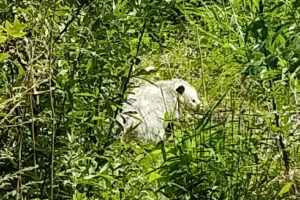
Brush Piles and ‘Possums and Other Little Surprises By Area Forester Lisa Deaton As I was walking through a clearcut to help a landowner consider reforestation options, I saw an opossum cross a nearby dirt road. I thought to myself, “Surely I can outrun a ‘possum and take some photos.” However, I had to hop over logging debris and briars, while the opossum followed its well-worn path through the vines... Read More
 May 8, 2019 1:53 pm
Published by Janet Muncy
May 8, 2019 1:53 pm
Published by Janet Muncy
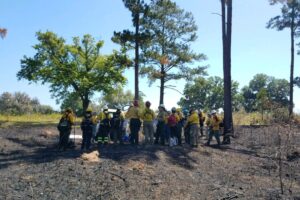
by Area Forester Sarah Parmelee What is TREX? TREX is a prescribed fire training (TR) exchange (EX) held by the Nature Conservancy as part of their North American Fire Initiative. WTREX is a training exchange, for women. These two-week events bring fire practitioners together to share experience and get training. Ideally, those two weeks feature a lot of fire. This will give attendees the opportunity to apply learned techniques and... Read More
 April 29, 2019 10:53 am
Published by Janet Muncy
April 29, 2019 10:53 am
Published by Janet Muncy
By Forest Health Specialist Katlin Mooneyham Eastern white pine is a species commonly found in forests in the western part of the state. In Virginia, eastern white pine is grown for wood production, Christmas trees, holiday garland and ornamental plantings. In 2006, former DOF Forester John Wright noticed that white pines were declining in his work area in Highland County. He called the forest health program manager at the time,... Read More
 April 22, 2019 12:23 pm
Published by Janet Muncy
April 22, 2019 12:23 pm
Published by Janet Muncy
by Area Forester Lisa Deaton Two Snake Day! Last week the sun was shining, and the fresh spring foliage and flowers were lovely. The road in the photo above was a Gloucester County state road until Beaverdam Reservoir was built in 1989, submerging a section of this road. Pawpaw blooms (Asimina triloba) Eastern redbud blooms can resemble tiny hummingbirds. (Cercis canadensis) Then I almost stepped on a copperhead snake heading... Read More
 April 11, 2019 11:56 am
Published by Janet Muncy
April 11, 2019 11:56 am
Published by Janet Muncy
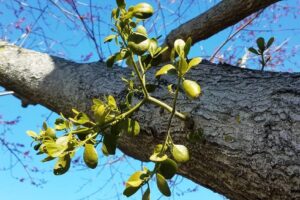
By Area Forester Lisa Deaton Parasitic Plants American or eastern mistletoe, Phoradendrum leucarpum, is a common parasite of oaks and maples in the Coastal Plain of Virginia. Birds carry the sticky white mistletoe seeds from tree to tree. The seeds sprout and their roots grow into the host tree to extract water and nutrients. In our eastern deciduous forests, winter provides a clearer view into the woods. The deciduous leaves... Read More
