 December 21, 2018 2:36 pm
Published by Janet Muncy
December 21, 2018 2:36 pm
Published by Janet Muncy
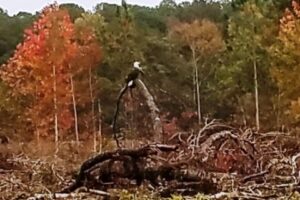
by Forester Lisa Deaton Surprises We expect to see Christmas trees at Christmas tree farms, but this decorated eastern red cedar is located on the edge of a 2-year old pine plantation. On a recent rainy day, the bald eagle below appeared to be hunting in a clearcut. One of my favorite things about this time of year on the Middle Peninsula is hearing the tundra swans fly overhead. A... Read More
 December 17, 2018 2:00 pm
Published by Janet Muncy
December 17, 2018 2:00 pm
Published by Janet Muncy
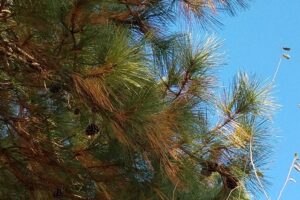
by Senior Area Forester Joe Rosetti Every year, about 4-8 weeks after the deciduous trees lose their leaves, the pines of Virginia display a condition we will call Pine Yellows. Pine Yellows is characterized by about half of the needles on the seemingly healthy trees turning yellow, then after 1-2 weeks falling off. The trees do not display any other signs of disease or insect damage, and except for the... Read More
 November 27, 2018 9:50 am
Published by Janet Muncy
November 27, 2018 9:50 am
Published by Janet Muncy
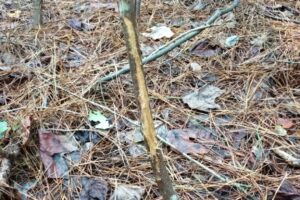
Its Deer Time by Area Forester Lisa Deaton It is autumn in Virginia, so white-tailed deer are on the move again. You may have noticed buck rubs on small trees similar to the one above and below. Bucks rub against trees to remove the velvet from their antlers when the antlers finish growing in September. They continue to rub against trees and shrubs to mark their territory with scent from... Read More
 November 20, 2018 3:54 pm
Published by Janet Muncy
November 20, 2018 3:54 pm
Published by Janet Muncy
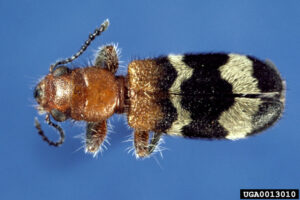
by Forest Health Specialist Katlin Mooneyham Here in the forest health program at DOF, we spend a lot of time talking about bad bugs and how to kill them. Much of our time working with landowners and other forestry professionals is spent identifying pests, giving management recommendations and, in some cases, even treating trees against a variety of problematic insects. The emerald ash borer, an insect that originates in Asia,... Read More
 November 2, 2018 1:47 pm
Published by Janet Muncy
November 2, 2018 1:47 pm
Published by Janet Muncy
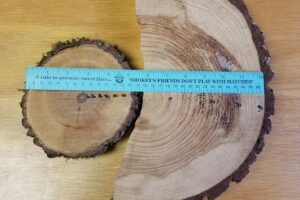
by NOVA Area Forester Sarah Long The answer may surprise you. There is a common misperception that there is a direct correlation between a tree’s size and a tree’s age 100 percent of the time. The truth is, it is not usually possible to tell the age of tree just by looking at it (the exception is Eastern white pine which grows a new ring of branches for every year... Read More
